
 Français

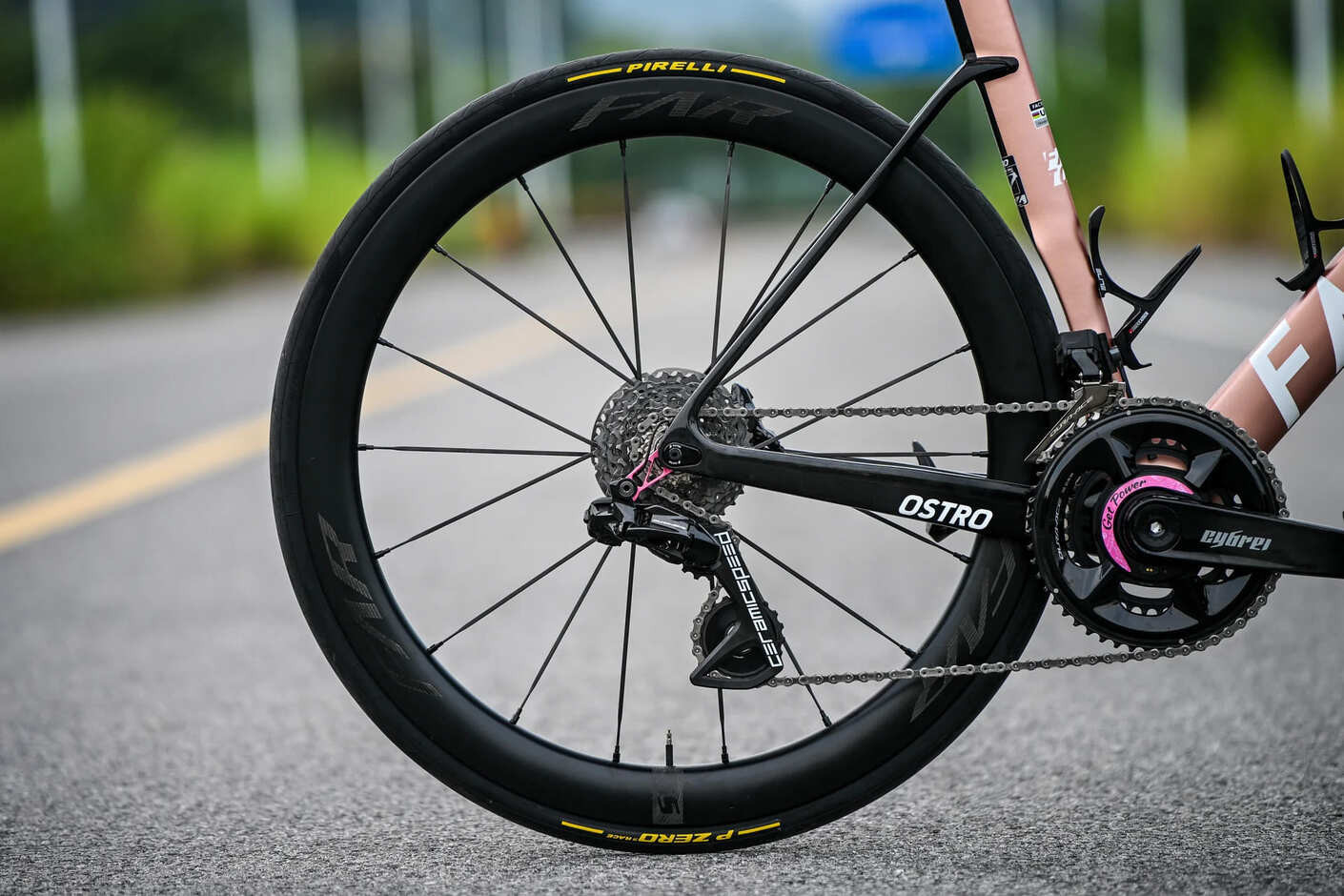
Carbon road wheels shouldn’t be chosen on rim depth alone. For a cyclosportive rider, road racer, or triathlete, the right setup depends on real-world factors: typical terrain, cruising speed, how often you surge and accelerate, wind exposure, and what kind of ride feel you want.
Within the Farsports S Series, the S4, S5, and S6 are close in intent but distinct in focus. The goal isn’t to pick a “best” wheel, but the one that fits your riding and events.
What the Farsports S Series Is Built For
The S Series targets riders looking for a performance-oriented carbon wheelset for road use: efficiency at speed, responsive accelerations, and a lively ride feel.
It suits three main profiles particularly well:
-
Cyclosportive riders who train consistently and want a fast, capable setup for sportives and hard group rides
-
Road racers who need a wheelset matched to their course profile and racing style
-
Triathletes who value efficiency at steady speeds on faster courses
Rim depth provides a simple way to navigate the range: as depth increases, the setup typically shifts toward a more aerodynamic emphasis. The key is choosing the depth that matches your terrain and how you ride.
S4 vs S5 vs S6: Understanding the Differences
S4: A Versatile Profile for Mixed Terrain
The Farsports S4 (45 mm) leans into all-round performance. This depth often works well for riders on rolling terrain who want a responsive feel for accelerations while still benefiting from an aero-oriented rim shape.
It can make sense if you’re looking for:
-
a reactive wheelset when pace changes frequently
-
balanced handling across varied routes
-
a setup that fits training and event days
? View the model: Farsports S4 carbon wheels 45 mm
S5: The Performance/Aero Balance for Sportive Road Riding
The Farsports S5 (50 mm) sits in a highly popular zone for road riders: aerodynamic enough to hold speed well, while still practical for a wide variety of conditions and routes.
It’s commonly chosen for an “all-round performance” use case:
-
fast training rides
-
sportives
-
amateur racing
-
riders who want a consistent, efficient feel at higher speeds
? View the model: Farsports S5 carbon wheels 50 mm
S6: More Emphasis on Speed for Fast, Steady Sections
The Farsports S6 (58 mm) pushes further toward aerodynamic priority. This kind of depth often fits riders who spend a lot of time at higher speeds on flatter or faster courses, where holding pace efficiently matters.
It can be a strong match for:
-
racers on quicker courses
-
triathletes
-
riders focused on sustained speed and steady efforts
A deeper rim isn’t “better” by default—it’s simply a more specific tool. The best results come when it matches your terrain and the way you like the bike to handle.
? View the model: Farsports S6 carbon wheels 58 mm
Choosing Rim Depth Based on Your Discipline
For Cyclosportive Riders
Cyclosportive routes are often mixed: rolling terrain, frequent pacing changes, and conditions that can shift across a long day. A balanced depth is usually easier to live with in all scenarios.
-
S4 (45 mm): strong option for varied terrain and frequent accelerations
-
S5 (50 mm): a great choice if you ride fast and want more speed retention on open sections
The decision often comes down to handling versatility versus a stronger aero bias.
For Road Racers
In racing, rim depth should match the course and how you race:
-
rolling circuits with repeated surges
-
faster courses where holding speed matters
-
exposed roads where wind handling plays a role
-
rider profile (powerful rider vs climber vs all-rounder)
In broad terms:
-
S4 aligns well with repeated accelerations and more varied profiles
-
S5 fits a wide range of racing and training use
-
S6 makes the most sense when your courses reward steady, higher-speed riding
For Triathletes
Triathlon often emphasizes efficiency at steady speeds, especially on faster courses. For that reason, deeper rims are more common—provided the choice still fits the course conditions and your handling preferences.
-
S5: balanced option for riders mixing road and tri use
-
S6: more speed-focused setup for faster, steadier courses
It’s also worth treating the wheel choice as part of a complete system: wheels, tires, tire pressure, cockpit position, and pacing strategy.
What Actually Changes the Ride Feel
A wheelset’s on-road feel comes from several factors working together—not just the carbon rim.
Rim Depth
Depth influences:
-
how well the bike holds speed on open roads
-
how the wheel feels during accelerations
-
stability and confidence at higher speeds
-
the overall “aero” sensation on fast sections
Shallower-to-mid depths tend to feel more versatile. Deeper rims lean more toward speed retention.
Tire Compatibility and Setup
Tires and pressure can dramatically change how a wheel feels. Even a high-performance wheelset can feel underwhelming with a mismatched tire setup.
A well-matched tire choice can improve:
-
grip
-
stability
-
comfort
-
perceived efficiency
Stiffness and Responsiveness
Different riders can have very different impressions of the same wheelset depending on power output, body weight, and riding style.
Riders oriented toward performance often look for:
-
direct power transfer
-
crisp response during surges
-
composed feel at higher speeds
Overall Build Consistency
Beyond rim depth, overall consistency matters:
-
hub performance and smoothness
-
spoke setup and tension
-
assembly quality and finish
-
drivetrain compatibility (freehub body choice)
That’s what defines the wheelset as a complete product, not just a rim profile.
How to Choose Between S4, S5, and S6
A practical way to decide is to answer three simple questions:
1) What terrain do you ride most?
-
rolling and varied
-
flatter and faster
-
longer steady sections
2) What’s your main priority?
-
versatile performance
-
balanced aero efficiency
-
stronger speed focus
3) What’s your riding profile?
-
hard training and sportives
-
road racing
-
triathlon
-
mixed use
A clear summary:
-
S4: versatile, performance-oriented all-rounder
-
S5: highly balanced performance/aero option
-
S6: speed-focused choice for fast courses and steady efforts
Leave a Reply Cancel Reply