
 Français

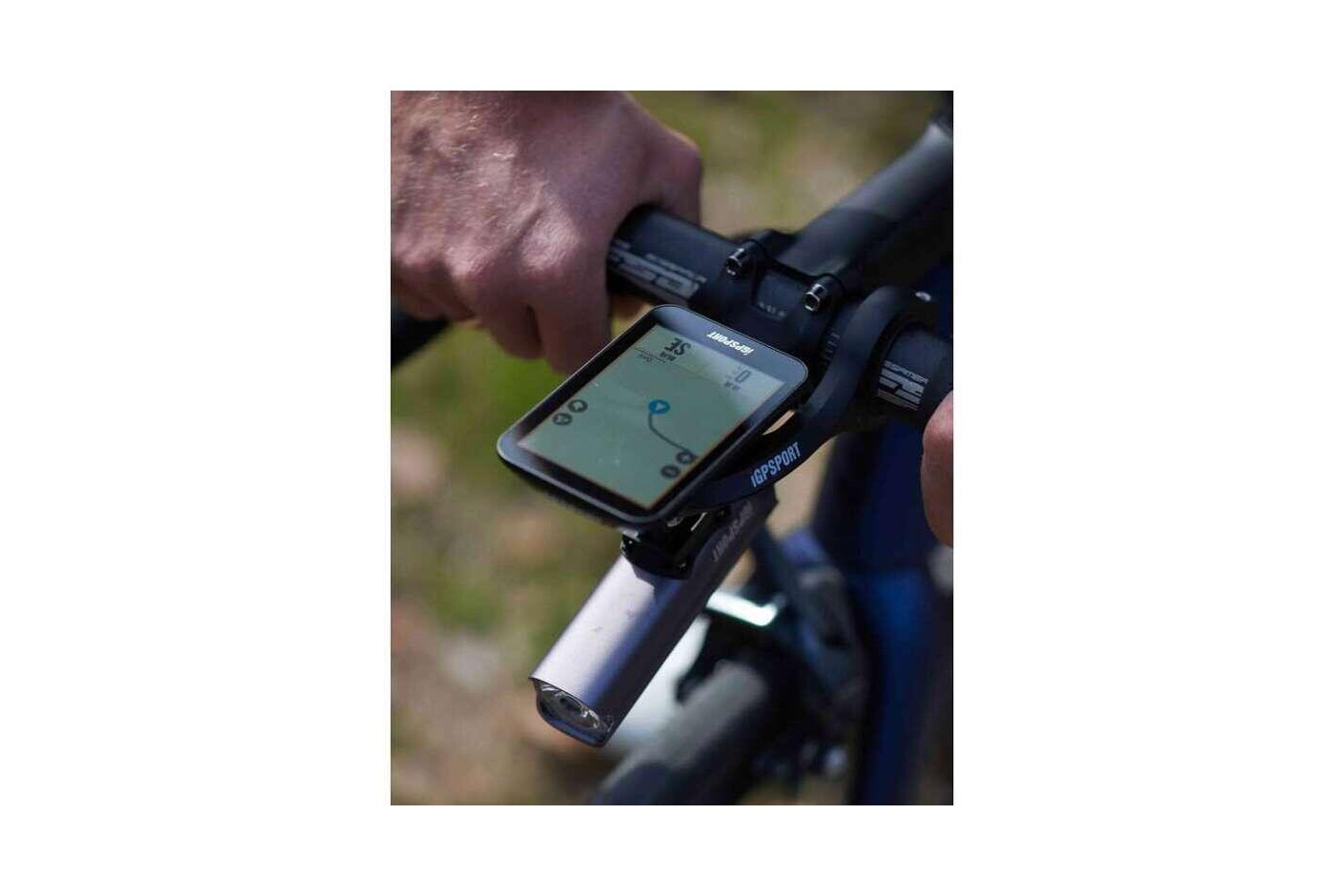
A modern GPS bike computer is no longer just a speed-and-distance display. For cyclosportive riders, racers, and triathletes, it needs to stay readable in all conditions, guide reliably, record clean data, and connect seamlessly to sensors (power, heart rate, radar, smart trainer). The iGPSPORT iGS800 targets that use case with a large touchscreen, long claimed battery life, and broad connectivity.
A 3.5" Color Touchscreen Designed for Quick Reading
The iGS800 features a 3.5-inch color touchscreen with physical buttons as well, which is especially useful when you run multiple data fields or want a clearer view while riding.
In real use, a larger display tends to help in two practical ways:
-
faster glanceability for structured training (power, HR, lap data, zones)
-
more comfortable map viewing when following routes
Navigation and Mapping for Riders Who Use Routes Frequently
The iGS800 is positioned around route use and navigation, with offline-oriented features and “off-course” guidance mentioned in official and retail listings.
That matters most if you:
-
follow GPX routes often (new roads, bikepacking-style long rides, staged training routes)
-
want simplified guidance without pulling out a phone mid-ride
Some independent tests note that navigation can still be the most demanding area depending on expectations and usage patterns.
Battery Life Built for Long Rides
Battery life is one of the iGS800’s headline claims: around 50 hours depending on settings and usage.
For riders doing long training blocks, multi-day riding, or frequent sessions, that reduces the “charge anxiety” factor significantly.
Dual-Band GNSS (L1 + L5) for More Stable Tracking
The iGS800 supports FULL GNSS with dual-band (L1 + L5), which is typically associated with improved GPS stability in more challenging environments (dense trees, urban corridors, certain terrain).
Full Sensor Ecosystem: ANT+ and Bluetooth, Plus Storage and Water Resistance
For performance-oriented setups, compatibility with sensors is non-negotiable. The iGS800 lists ANT+ and Bluetooth, making it suitable for common power meters, heart-rate straps, and speed/cadence sensors.
Other practical specs often relevant for frequent riders:
-
32 GB storage for maps/routes and ride data
-
IPX7 water resistance
-
weight typically listed around <120 g depending on listing
-
Wi-Fi is also mentioned by the brand and some retailers for syncing/features
Who the iGS800 Fits Best
Cyclosportive Riders
If you ride long, vary routes, and track structured training, the combination of large display + long battery is a strong match—especially when you prefer multiple data pages and route guidance.
Road Racers
The benefits are mainly readability, sensor integration (power/HR), and GPS stability for consistent logging across training and race-day efforts.
Triathletes
A large display and long battery life align well with steady-state training and pacing. If you rely on power and structured data fields, screen clarity becomes a real advantage.
Quick Pre-Purchase Checklist
-
Confirm you’re using sensors that connect via ANT+ / Bluetooth
-
Decide whether you need frequent navigation (routes every ride) or only occasional guidance
-
If you want the most stable GPS recording, prioritize dual-band GNSS (L1 + L5) settings and relevant modes
FAQ
Is the iGS800 a touchscreen device?
Yes—retail and official specs list a 3.5" color touchscreen.
What battery life should you expect?
The iGS800 is commonly listed at ~50 hours depending on configuration and usage.
Does it support power meters and heart-rate straps?
Yes—spec sheets list ANT+ and Bluetooth, which cover the mainstream sensor ecosystem.
Is there enough storage for routes and maps?
Listings commonly mention 32 GB of internal storage.
Leave a Reply Cancel Reply